Photo via Google Places • Editorial Use
EducationGlobal
The Science Behind Matcha's Health Benefits
What the research actually shows about matcha's antioxidants, caffeine/L-theanine pairing, and cardiovascular associations — including a correction to the widely-repeated 137x antioxidant myth.
Matcha Maps Staff••4 min read
The Science Behind Matcha's Health Benefits
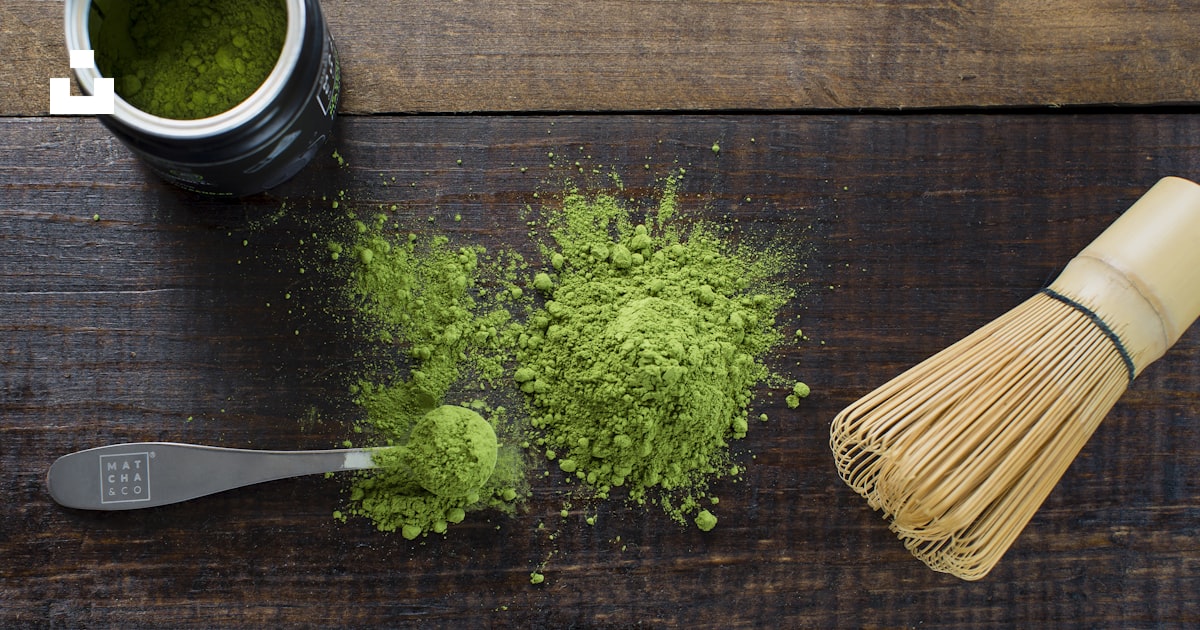
Matcha comes from whole tea leaves ground into a fine powder rather than steeped and discarded, so a cup delivers the entire leaf's nutrient content rather than whatever leaches out during steeping. The shade-growing process — covering plants for roughly 20-30 days before harvest — increases chlorophyll and amino acid content in the leaf, which is part of why matcha's flavor and nutritional profile differ from standard green tea.
What the Research Actually Shows
Antioxidant Content — With a Correction
Matcha contains catechins, particularly EGCG (epigallocatechin gallate), an antioxidant compound. A frequently repeated claim is that matcha has "137 times more antioxidants than regular green tea," traced to a 2003 study in the Journal of Chromatography A (Weiss & Anderton). That number is real but has been widely misapplied: the study compared matcha to one specific commercial green tea sample under specific test conditions — not to green tea as a category. More recent analysis puts the realistic difference closer to 2-3x, still meaningful, since matcha is whole-leaf powder rather than steeped-and-discarded tea, but nowhere near the marketing-claim figure.
Sustained Energy: The Caffeine + L-Theanine Combination
Matcha pairs caffeine with L-theanine, an amino acid associated with alpha brain wave activity and mental relaxation. Research on caffeine-plus-L-theanine combinations has found improvements in attention and task-switching compared to caffeine alone — the basis for matcha's reputation for "calm energy" without the crash pattern some people experience with coffee.
Cardiovascular Health: The Ohsaki Study
The strongest single data point for green tea's cardiovascular benefits comes from the Ohsaki National Health Insurance Cohort Study, which followed over 40,500 Japanese adults starting in 1994. Participants who drank five or more cups of green tea daily had a 16% lower all-cause mortality rate over 11 years of follow-up, and a 26% lower cardiovascular mortality rate over 7 years of follow-up, compared to those drinking less than one cup daily. Matcha is more concentrated than steeped green tea, so it isn't a direct substitute in the same quantities the study measured, but the underlying catechin and antioxidant mechanisms are the same.
Metabolism
Multiple studies on green tea catechins combined with caffeine show modest increases in energy expenditure (commonly cited in the 3-4% range) and improvements in fat oxidation during exercise, compared to caffeine alone. The effect is real but modest — matcha is not a metabolism-transforming supplement, and results vary across individual studies.
Quality Affects the Nutritional Profile
Not all matcha delivers the same nutrient content. The research behind these benefits generally comes from high-quality Japanese matcha, particularly from established growing regions like Uji in Kyoto. Lower-grade matcha, or matcha blended with fillers, likely doesn't match that nutritional profile — look for a vibrant green color (not yellowish or dull), fine texture, and a clear Japanese origin.
Practical Takeaways
- Ceremonial-grade matcha generally has the highest nutrient concentration, based on the growing and processing methods used.
- Water temperature matters — prepare with water around 160-175°F; higher temperatures break down some of the delicate compounds.
- Freshness matters — matcha's antioxidant activity degrades with light and air exposure over time, so recently-opened, properly-stored matcha delivers more of what the research measured.
The Bottom Line
Matcha isn't a miracle cure, and some of the numbers that circulate about it (the 137x antioxidant claim especially) are more marketing than science. But the underlying research — on EGCG, on caffeine-plus-L-theanine, and on green tea's cardiovascular associations in large cohort studies like Ohsaki — is real and reasonably consistent. Matcha is a legitimately well-supported addition to a healthy diet; it's just not the everything-supplement some marketing suggests.
Always consult with a healthcare provider before making significant changes to your diet or supplement routine.
Share this article
This article was created with AI assistance and reviewed by the Matcha Maps editorial team. Learn more about how we create content.
Want the tea? ☕
Get matcha news delivered to your inbox
No spam, just matcha. Unsubscribe anytime.